
Last updated 04.01.2026
Dental implant crowns: what they are, how they work, and what to expect
A dental implant crown is the visible tooth on top of an implant. Learn how crowns and abutments work, what affects timing and cost, and when to call your ClearChoice Dental Implant Center team.
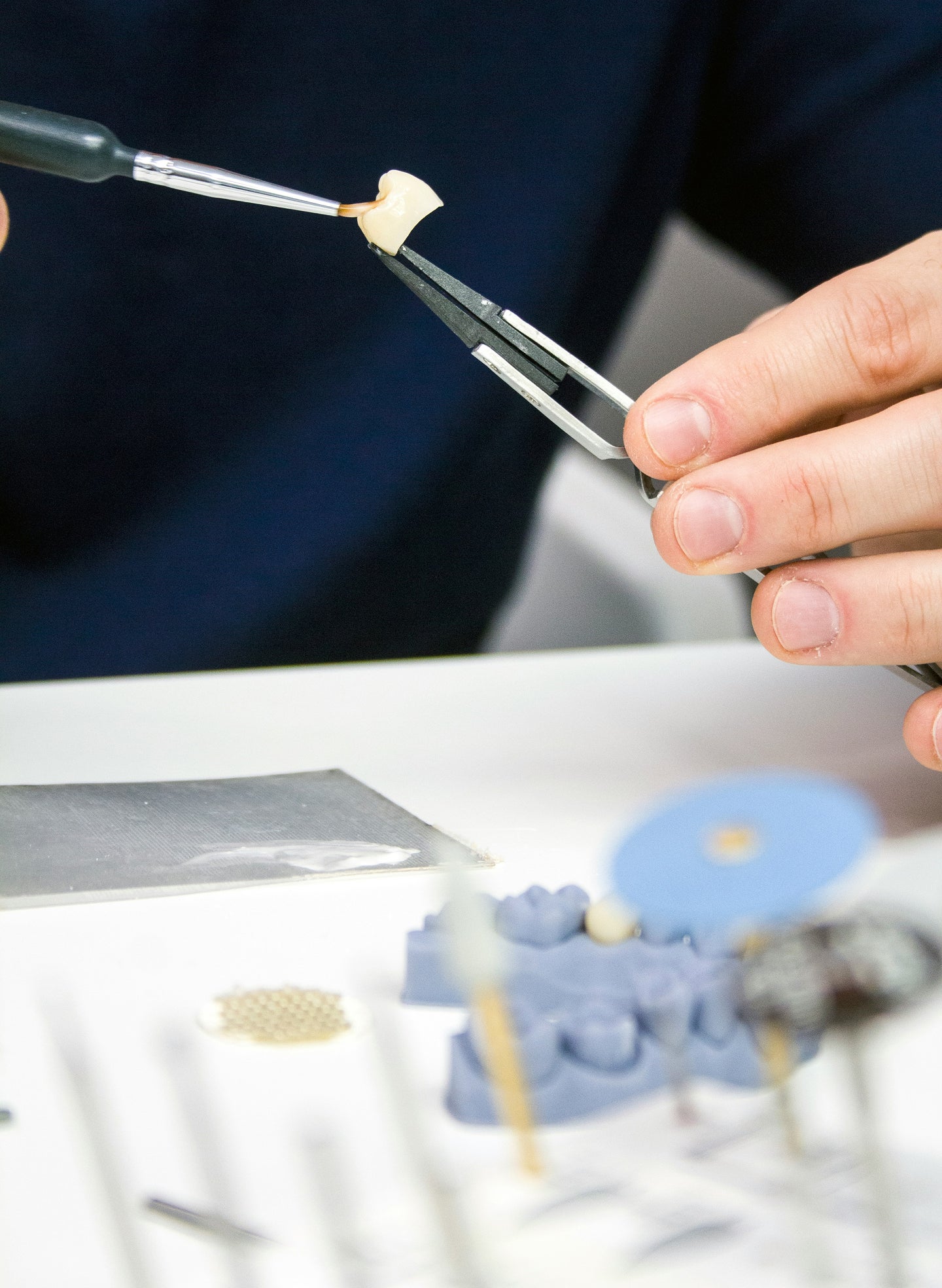
If you've been researching dental implants, you may have come across the term implant crown. While the implant itself is placed below the surface, the crown is the visible part, the piece that looks and functions like a natural tooth.
Understanding how an implant crown works, how it connects to the implant, and what to expect during the process can help you feel more prepared when exploring treatment options.
At ClearChoice Dental Implant Center, treatment planning considers both the surgical and restorative aspects of care so that each component works together over time.
Quick answer: What is a dental implant crown?
A dental implant crown is the visible "tooth" that sits on top of a dental implant.
It is designed to:
Restore appearance
Support chewing and speaking
Blend with surrounding teeth
It's important to note that the crown is not the same as the implant itself. The implant is placed in the jawbone, while the crown is the part you see above the gumline.
Because each treatment plan is different, the design, material, and timing of the crown may vary depending on your needs.
Implant crown vs implant vs abutment: What's the difference?
Understanding the parts of an implant system can help clarify how everything works together.
The three main components:
Implant post
Placed in the jawbone during the surgical phase. It acts as the foundation.Abutment (connector)
The implant abutment connects the implant post to the crown. Not every case uses a separate abutment in the same way, but it often plays a key role.Crown
The visible tooth that attaches to the implant or abutment.
Simple breakdown:
Implant = foundation in the bone
Abutment = connector
Crown = visible tooth
These parts are designed to function together, but each has a different role in the overall treatment.
Implant crown process: What happens from planning to final crown?
The implant crown process typically includes several phases. The exact steps and timing depend on your treatment plan.
1. Consultation and planning
Your care team reviews your goals, medical history, and imaging to determine whether implants are appropriate and how the restoration will be designed.
2. Implant placement
The implant is placed in the jaw during the surgical phase.
3. Healing phase
The area is allowed to heal. This step supports stability and integration with the surrounding bone and tissue.
4. Abutment placement (when used)
An implant abutment may be placed or connected to prepare for the crown.
5. Final crown design and placement
The crown is designed to match your bite and surrounding teeth, then placed as part of the restorative phase.
Because each case is unique, the sequence and timing may vary.
Time between abutment and crown: What affects the timeline?
Many people ask about the time between abutment and crown placement. The timeline depends on several factors.
These may include:
Healing needs and tissue condition
Whether additional procedures were involved in some cases
Bite alignment and design considerations
Lab fabrication time for the crown
Number of appointments needed for adjustments
Rather than a fixed schedule, your timeline is based on how your treatment plan is designed and how your body responds during healing.
Dental implant temporary crown: What it is and why it may be used
In some cases, a dental implant temporary crown may be used during the healing phase.
A temporary implant crown may help:
Maintain appearance while healing
Support function in certain situations
Guide gum and tissue shape around the implant
However, not every case uses a temporary crown. Whether one is recommended depends on:
The location of the implant (such as a front tooth implant crown)
Bite forces and pressure
Overall treatment plan
If a temporary crown is used, your provider will explain how to care for it and what to expect during that phase.
Best material for dental implant crowns: What options may be discussed
When planning a dental implant crown, different materials may be considered. There is no single "best" material for everyone.
Common options may include:
Ceramic or porcelain-based materials
Zirconia or similar durable materials
Material selection often depends on:
Tooth location (front vs back teeth)
Aesthetic goals
Bite forces and grinding habits
Budget and long-term maintenance expectations
Your care team will discuss what may be appropriate based on your specific needs.
Implant crown cost: What affects the price?
Searches for implant crown cost and cost of abutment and crown for implant are common. Several factors may influence the overall cost.
These may include:
Whether the crown is part of a single-tooth replacement or a larger treatment plan
Crown material and design complexity
Type of implant abutment used (when applicable)
Imaging, planning, and follow-up care included
Whether additional procedures are discussed in some cases
Compare plans carefully
When reviewing options, consider what is included in the full treatment plan rather than focusing only on one component.
For some patients, third-party financing options may be available for qualified applicants.
Loose dental implant crown: Symptoms and what to do
A loose dental implant crown can happen and is often repairable. Recognizing the signs early can help prevent further issues.
Common symptoms of a loose dental implant crown:
The crown feels like it moves or shifts
A change in your bite or a "high" feeling when chewing
A clicking sensation
Soreness or irritation near the gumline
What to do:
Avoid chewing hard foods on that side
Contact your provider promptly
Do not attempt to glue or fix the crown yourself
If you notice changes, it's best to have the area evaluated so the issue can be addressed appropriately.
How long can you have an implant without a crown?
Some patients ask how long they can have an implant without a crown.
In certain treatment plans, steps are intentionally staged, and there may be a period between implant placement and crown placement.
The timing depends on:
Tissue condition
Overall treatment design
If there is a delay or discomfort, it's important to follow your provider's guidance and have the area evaluated as needed.
What to expect at ClearChoice Dental Implant Center
At ClearChoice Dental Implant Center, treatment planning is coordinated across both the surgical and restorative phases.
During your dental implant consultation, your care team may:
Review your goals and expectations
Evaluate imaging and oral anatomy
Discuss options for the implant and crown
Explain how the restoration will be designed
Provide guidance on long-term care and maintenance
This coordinated approach helps ensure that the implant and crown work together to support function and appearance over time.
For patients exploring payment options, third-party financing options may be available for qualified applicants.
FAQs: Dental implant crowns
What is a dental implant crown?
A dental implant crown is the visible tooth that sits on top of a dental implant and restores appearance and function.
What is an implant abutment?
An implant abutment is the connector that links the implant post in the jaw to the crown.
How long after the abutment is the crown placed?
Timing depends on healing, planning, and case-specific factors. Your provider will explain the timeline based on your treatment plan.
Do implant crowns look natural?
In many cases, implant crowns may be designed to blend with surrounding teeth. Results depend on materials, placement, and individual factors.
What should I do if my implant crown feels loose?
If your crown feels loose, avoid chewing on that side and contact your provider for evaluation. Do not attempt to fix it yourself.
How long can dental implants last?
With proper care, dental implants are implants that can last a lifetime. The crowns attached to them may require maintenance or replacement over time.