






Your dental implant
information center

As the day of your procedure approaches, here
are some videos, tips and FAQs to help you feel
confident and prepared.

Expert guidance. Real patient stories.

These short videos are designed to help you feel informed, supported and excited about what’s ahead.

What to expect during and after your dental implant procedure

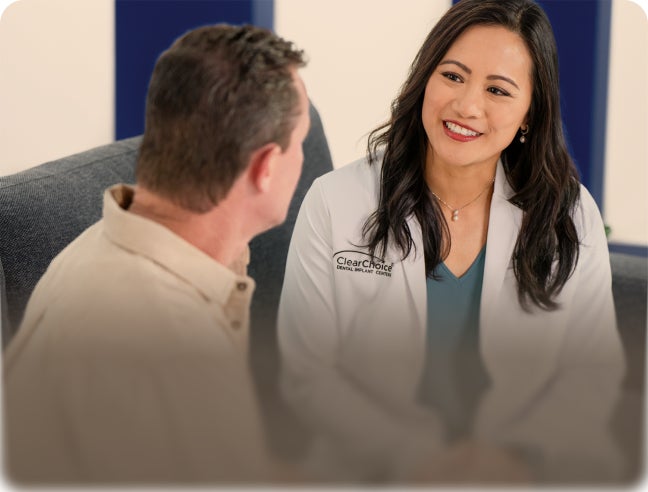
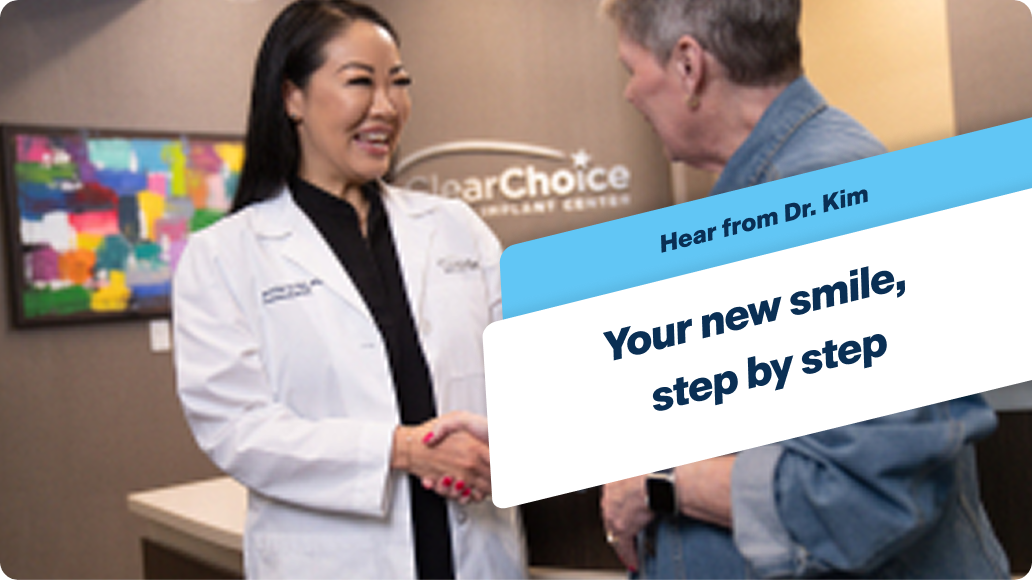
ClearChoice’s Dr. Kim walks through what your smile-reveal day will be like, and describes recovery in the days and weeks that follow.

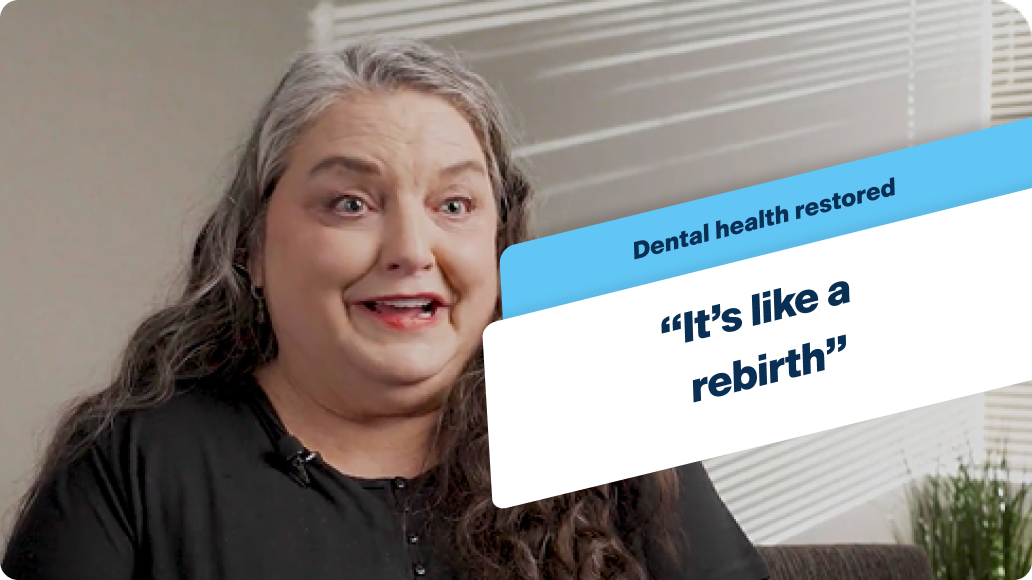
Julie’s healthy smile transformation

Hear the emotional story of how dental implants helped Julie reclaim her health and reinvigorate her singing career.

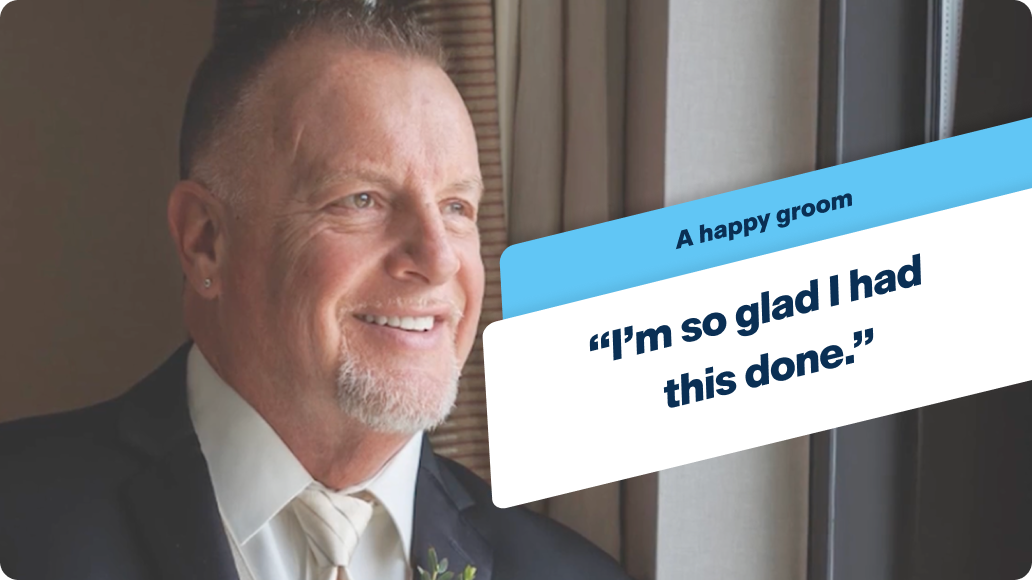
Mark’s new wedding smile

Mark tells the story of how his new ClearChoice smile made an important day in his life even more special and enjoyable.

Smile success stories from across the U.S.

Here are more stories from patients from all walks of life whose lives have been changed by their decision to get dental implants.

Dentist reviewing dental implant preparation checklist with patient – “Arrange transport to and from the dental care center,” “Follow your dentist’s instructions about food,” “Take any medications recommended,” and “Notify your dentist of allergies or current medications” – guidance for dental implant surgery preparation.

How to prepare for dental implant surgery

As with any surgery, it's a good idea to prepare for the procedure beforehand. Here are a few things to do before you before you arrive at our care center.

This is a general list of guidelines, but your care team will provide a more detailed list of instructions and post-surgery care tips. Be sure to ask any questions and and discuss any concerns you may have before your procedure.

Recovery tips after your dental implant procedure 

Following a few simple steps can make the days and weeks after feel easier and more comfortable. 

Stick to eating soft foods 

It's a good idea for recovering patients to eat mostly soft foods like yogurt, mashed potatoes and nutritious smoothies during the healing process. Hot, spicy, or crunchy snacks may irritate your healing gums.

Use a saltwater rinse

Rinsing your mouth with a saltwater solution can help keep your mouth clean. It may also help with pain and swelling. Add half a teaspoon of table salt to a cup of warm (not hot) water. Swish it around your mouth for several seconds and spit it out. Continue for a few weeks after surgery.  

Avoid strenuous exercise

After any surgical procedure, your body needs time to rest and recover. Avoid strenuous activities, exercise and sports for a few days. Focus on getting enough sleep and rest time.  

Maintain good oral hygiene

Avoid brushing the implant site for the first few days after surgery. Once your doctor approves, use a soft-bristled brush to gently clean the site and the rest of your mouth. Follow up with an alcohol-free, anti-microbial mouthwash. Avoid using whitening toothpastes.

Avoid smoking and alcohol 

Avoid smoking and alcohol after your surgery. Smoking can impair healing and is best avoided throughout your healing period.  Refrain from drinking alcohol to avoid possible increased bleeding, infection and delayed healing.

When you should call your doctor after getting dental implant surgery

While the risk of complications after your procedure is very low, it's a good idea to know what to look for. Contact your care team right away if you notice any of the following after implant surgery:

Implant movement

If the implant feels loose or moves around, contact your dentist immediately.

Prolonged swelling

Minor swelling is normal after surgery. But if it doesn't subside within a few days, or if you notice signs of infection, contact your doctor.

Non-stop pain

Your dental surgeon will prescribe pain medication to manage post-surgery discomfort. However, pain that steadily gets worse or doesn't stop after a few days may indicate complications.

Dental Implant Surgery FAQs

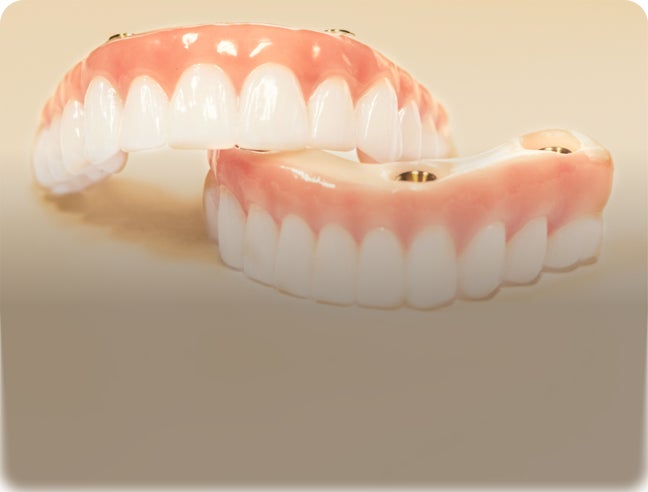
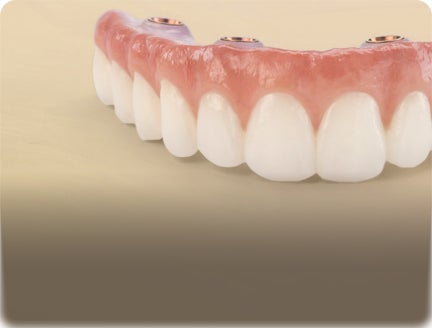
Dental implant treatment typically begins with placing small titanium implants into the jawbone, where they serve as artificial tooth roots. Once in place, these implants go through a healing phase called osseointegration, where they fuse with the bone to provide lasting support. Depending on your case, provisional teeth may be placed on the same day as surgery so you can leave with a functional smile. Final prostheses are typically placed 3-6 months after full healing. Your ClearChoice team will guide you through each step of the process and explain what to expect at every stage. 

Discomfort is to be expected with any oral surgery, but many patients report that implant placement feels more manageable than expected. Anesthesia options are used during the procedure to help patients stay comfortable. 


After the procedure, swelling, tenderness or bruising may occur. These symptoms are part of the normal healing process and tend to improve within a few days. Your ClearChoice provider will offer post-surgical care guidance and can recommend ways to manage discomfort at home.

Recovery timelines can vary depending on your overall health, the number of implants placed and whether any additional procedures (like bone grafting) were performed. Most patients begin to feel better within a few days, with soft tissue healing typically occurring within one to two weeks. 


However, the full healing process (including osseointegration, where the implant fuses with the jawbone) may take several months. Your ClearChoice provider will monitor your progress and let you know when it's time to move to the next phase of treatment, such as receiving your final prostheses.

For the first few days after surgery, a soft-food diet is recommended to avoid disturbing the implant site. Think smoothies, yogurt, oatmeal and soft-cooked vegetables. Chewing can typically be done away from the surgical area if a single implant was placed. However, for implant surgery that involves a large area of the jaw, a soft diet is required to protect the surgery site.    


As healing progresses, you’ll gradually return to a more normal diet. Your ClearChoice team will provide personalized guidance on what to eat after dental implant surgery, and when you can resume your regular eating habits safely. 

Caring for your dental implants is similar to caring for natural teeth. Brushing twice a day with a soft-bristled toothbrush, flossing daily, using a water flosser and rinsing with an antimicrobial mouthwash are typically recommended. It’s important to follow your provider’s dental implant care instructions, especially during the early healing phase. 


Routine checkups are also essential for long-term success. Your ClearChoice provider may schedule follow-up visits to assess healing, clean your prosthesis and monitor the stability of your implants.