Last updated 03.05.2026
Molar implants: how to replace missing back teeth with confidence
Molars do the heavy lifting when you chew. This guide explains molar replacement options—especially dental implants for back teeth—plus candidacy, planning, and FAQs.

If you’re missing a back tooth and researching a molar tooth implant, you may be wondering whether replacing that tooth is truly necessary — and what your options are.
Molars do much of the heavy lifting when you chew. Losing one can feel manageable at first, but over time it may affect how your bite functions and how comfortable everyday eating feels.
This guide explains what a molar tooth implant is, why back teeth matter, molar replacement options, and what to expect when planning treatment at ClearChoice Dental Implant Center.
First, what is a molar tooth implant?
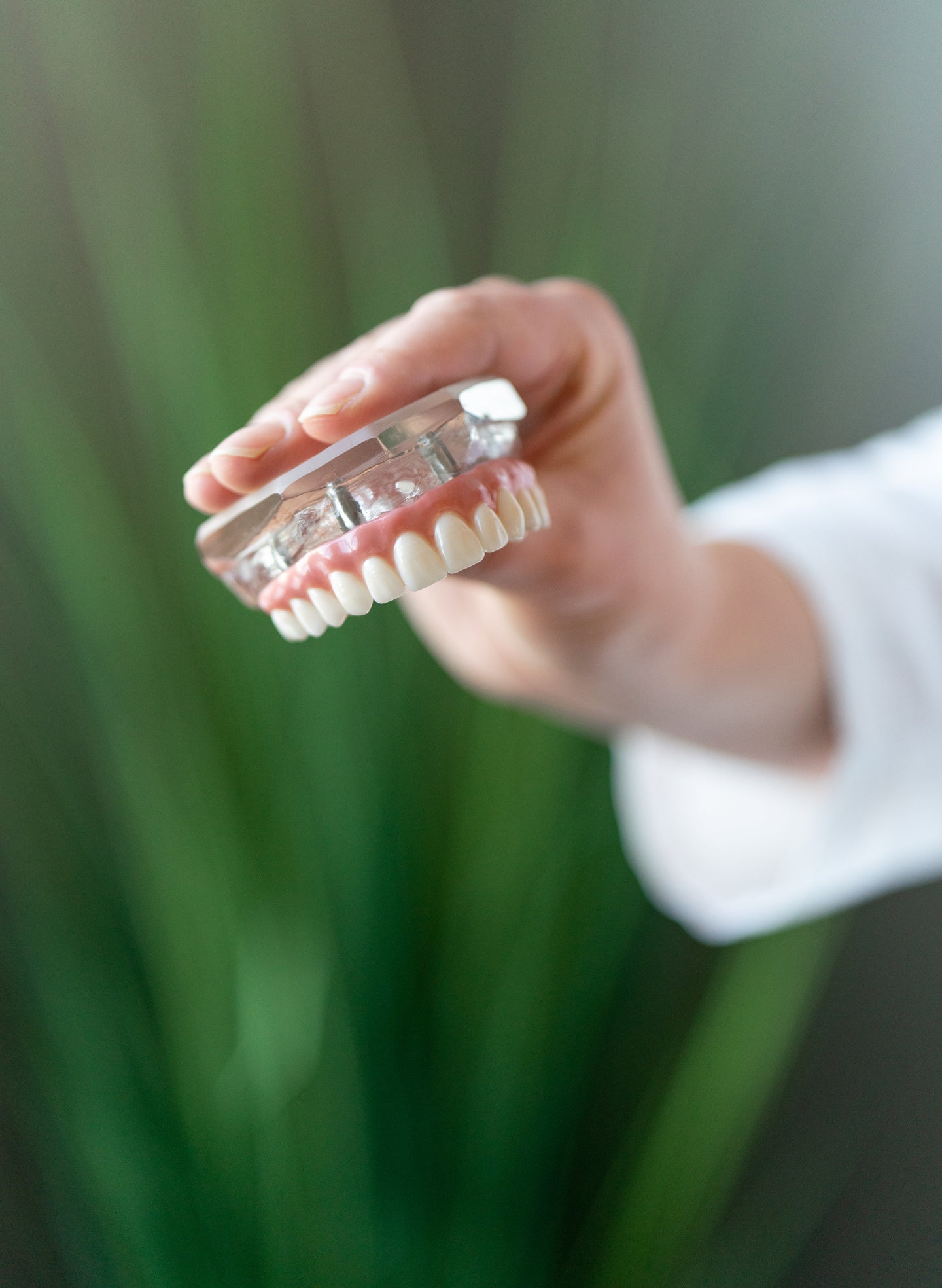
A molar tooth implant typically refers to replacing a missing molar with a dental implant.
A dental implant includes:
A small post placed in the jawbone (the implant)
A custom restoration placed on top (the crown)
When people search for “dental implants for back teeth” or “dental implant molar tooth,” they’re usually referring to this combination: a surgically placed implant post and a crown designed to restore the visible chewing surface.
Candidacy depends on several factors, including oral health, bone levels, and medical history. An evaluation is required to determine whether a molar implant is appropriate for your situation.
Why molars matter: what happens when a back tooth is missing
Molars are larger, flatter teeth located at the back of the mouth. Their primary job is grinding food during chewing. When a molar is missing, several changes may occur over time:
Chewing comfort may decrease
Bite balance may shift
Chewing on the other side of the mouth
Neighboring teeth may experience additional stress
Opposing teeth may gradually shift
Jaw joint may begin to pop when chewing or opening the mouth
Not everyone notices immediate changes, but molars play an important role in distributing chewing forces evenly. Replacing a missing back tooth may help maintain bite stability for many individuals.
Molar replacement options: implants vs other tooth replacement choices
If you’re considering molar replacement or molar tooth replacement, there are several options to discuss.
Dental implant molar tooth
A molar implant replaces both the root and visible portion of the tooth. For many people, this option may provide:
A stable chewing surface
Independent support (without relying on adjacent teeth)
A natural appearance
Because the implant is placed in the jawbone, planning includes both surgical and restorative phases.
Dental bridge
A bridge replaces a missing molar by putting a replacement tooth in the space and anchoring it to neighboring teeth. It restores the visible portion of the tooth but does not replace the root within the jawbone.
Suitability depends on the condition of adjacent teeth and overall oral health.
Partial denture
A removable partial denture may replace one or more missing teeth and it also anchors to other teeth. This option can be less invasive initially but may feel different than fixed solutions for some people.
Which option fits best?
The right solution depends on:
Health of neighboring teeth
Bone support
Bite alignment
Personal preferences
Budget considerations
An evaluation helps clarify which approach aligns with your goals.
Dental implants for back teeth: what makes molars different?
Molars experience higher chewing forces than front teeth. That difference influences how planning is approached.
When placing dental implants for molars, considerations may include:
Bone width and density
Proper implant positioning
Bite alignment
Load distribution
In some cases, bone quality in the back of the jaw may affect planning. Additional procedures may be discussed depending on anatomy.
Because molars carry significant chewing pressure, precise planning and coordination between surgical placement and final crown design are especially important.
What to expect with a molar implant at ClearChoice Dental Implant Center
If you’re exploring a molar tooth implant, your consultation may include:
Review of your health and dental history
Imaging to assess bone levels and anatomy
Discussion of your chewing concerns and goals
Explanation of treatment options
Transparent planning of next steps
Treatment planning typically includes both:
Surgical placement of the implant
Design and placement of the final molar crown
Healing timelines vary by individual. Some patients may require additional planning depending on bone levels or medical history.
Long-term maintenance guidance is also discussed to help support implant health over time.
Third-party financing options may be available for qualified applicants.
Common questions about molar implants and planning
Are dental implants necessary for molars?
Not always. Some people adapt to a missing molar without noticeable discomfort. However, molars play an important role in chewing and bite balance. Whether replacement is appropriate depends on your specific function, comfort, and long-term goals.
Can molars be replaced if they’ve been missing for a while?
In many cases, yes. However, bone levels and spacing may change over time. An evaluation helps determine what options are available and whether additional planning is needed.
Can you get dental implants for missing molars with bone loss?
In some cases, yes. If bone loss is present, additional procedures may be discussed depending on the extent of changes and overall health. Each situation is assessed individually.
How long can a molar tooth implant last?
Dental implants are designed to be implants that can last a lifetime with proper care. The crown placed on top may require maintenance or replacement over time depending on wear and individual factors.
What does a molar tooth replacement cost?
The cost of a molar replacement depends on factors such as:
Surgical complexity
Bone condition
Type of restoration
Overall treatment plan
A consultation provides the most accurate estimate based on your individual needs.
Replacing a missing molar with confidence
If you’re researching a molar tooth implant or wondering whether back teeth replacement is right for you, the first step is understanding your options.
Molars play a critical role in chewing and bite stability. Replacing a missing one may help restore function and balance for many individuals — but the best solution depends on your anatomy, goals, and overall oral health.
ClearChoice Dental Implant Center provides comprehensive planning and coordinated care designed to help you make informed decisions about molar replacement.
If you’re ready to learn more about replacing a missing molar, scheduling a consultation can help you explore next steps with clarity.